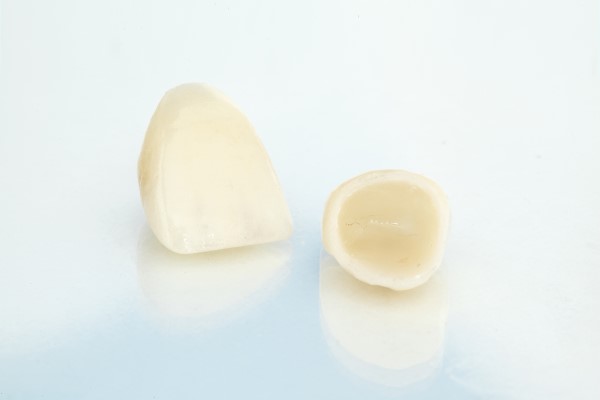
A dental crown and a bridge both restore smiles, but they solve different problems and follow different procedures. Many patients ask which option is best when a tooth breaks, cracks, or goes missing. Typically, a general, cosmetic, or family dentist would repair a tooth with a crown but replace a missing tooth with a bridge. Using the right restoration, a dentist can protect function, improve appearance, and support your smile for the long term.
What a dental crown does
A dental crown covers and strengthens a single tooth. General, cosmetic, and family dentists use crowns to rebuild teeth affected by severe decay, fractures, or heavy wear. This is because a well-designed crown allows comfortable chewing and smooth flossing while shielding the tooth from future cracks. They can also rebuild teeth after root canal treatment.
In each case, the dentist fits the crown over the affected tooth like a protective cap and restores natural shape, color, and bite. While silver amalgam remains a viable option, modern tooth-colored materials like zirconia and porcelain fused to metal (PFM) are increasingly popular. These natural-looking crowns combine impressive strength with lifelike aesthetics.
What is a dental bridge?
A dental bridge replaces one or more missing teeth by connecting wings or dental crowns on the neighboring teeth to a suspended replacement tooth, called a pontic. The bridge fills the space, restores chewing surfaces, and prevents nearby teeth from drifting. Their purpose is to replace teeth, not restore them, although they are often combined with crowns. What is more, bridges work well when the adjacent teeth already need crowns for strength. With careful design and placement, a bridge blends into the smile and feels stable during daily use.
Where implants fit in
Dental implants add another option when a tooth is missing. One of these metal posts supports a single crown without involving neighboring teeth. If several teeth are missing in a row, a general, cosmetic, or family dentist may recommend an implant-supported bridge. This framework anchors the false tooth (pontic) to nearby implants rather than to natural teeth.
Dental crowns vs. bridges: When each option makes sense
Choose a dental crown when the tooth remains present but needs reinforcement. Examples include a molar with a large broken filling, a front tooth with a crack, or a premolar that feels weak after a root canal. A crown saves natural structure, supports normal biting forces, and often prevents larger problems later. They also refine color and shape on a single tooth so that it no longer stands out.
However, patients should choose a bridge when one or more teeth are missing. Whether anchored to natural teeth or implants, a bridge can close these gaps quickly and create a seamless look along the dental arch. A general, cosmetic, or family dentist can help patients explore which option is best for them during a consultation appointment.
Restoring your smile with confidence
Knowing the basics of crowns versus bridges makes the choice between them straightforward. If a tooth is missing and the neighboring teeth can carry the load, a bridge can restore both function and appearance. On the other hand, if the patient is simply trying to preserve their natural teeth, a dental crown is likely the answer. Learn more in an appointment with our San Lorenzo dental team.
Request an appointment here: https://www.chanfamilydentistry.com or call Chan Family Dentistry at (510) 214-8450 for an appointment in our San Lorenzo office.
Check out what others are saying about our dental services on Yelp: Dental Crowns and Dental Bridges in San Lorenzo, CA.
Recent Posts
A dental crown has many uses in same day dentistry. Its basic function is to protect the structure of the tooth and keep it healthy. Unlike traditional dental crowns that require at least two appointments, same day dental crowns allow you to get a new smile in one dental appointment. Continue reading to discover some…
If you've been told you need dental crowns or want to know more about them, here's an explanation of what they are and how they're used to protect your tooth from damage caused by decay, injury, or other factors. The following article provides some information about the materials used to make crowns and their benefits…
Wondering how often a general dentist places a dental crown? The fact that dental crowns are one of the more common types of dental restorations that patients undergo to improve their oral health makes dental crown placement a very popular option for repairing teeth. Ready to learn more?It is essential for anyone who is in…
A broken tooth can cause a variety of urgent problems, from severe pain to bleeding, that require same day dentistry. This issue can happen in a number of ways, from a bad fall to a car accident or a sports injury. A qualified dentist can repair a tooth without the need for multiple appointments. Learning…